Find the cause before replacing parts
Solar Fault Finding Newcastle
Arrange a systematic check of your solar system. Get a Free Estimate
Independent TechniciansNo ObligationNo Pressure
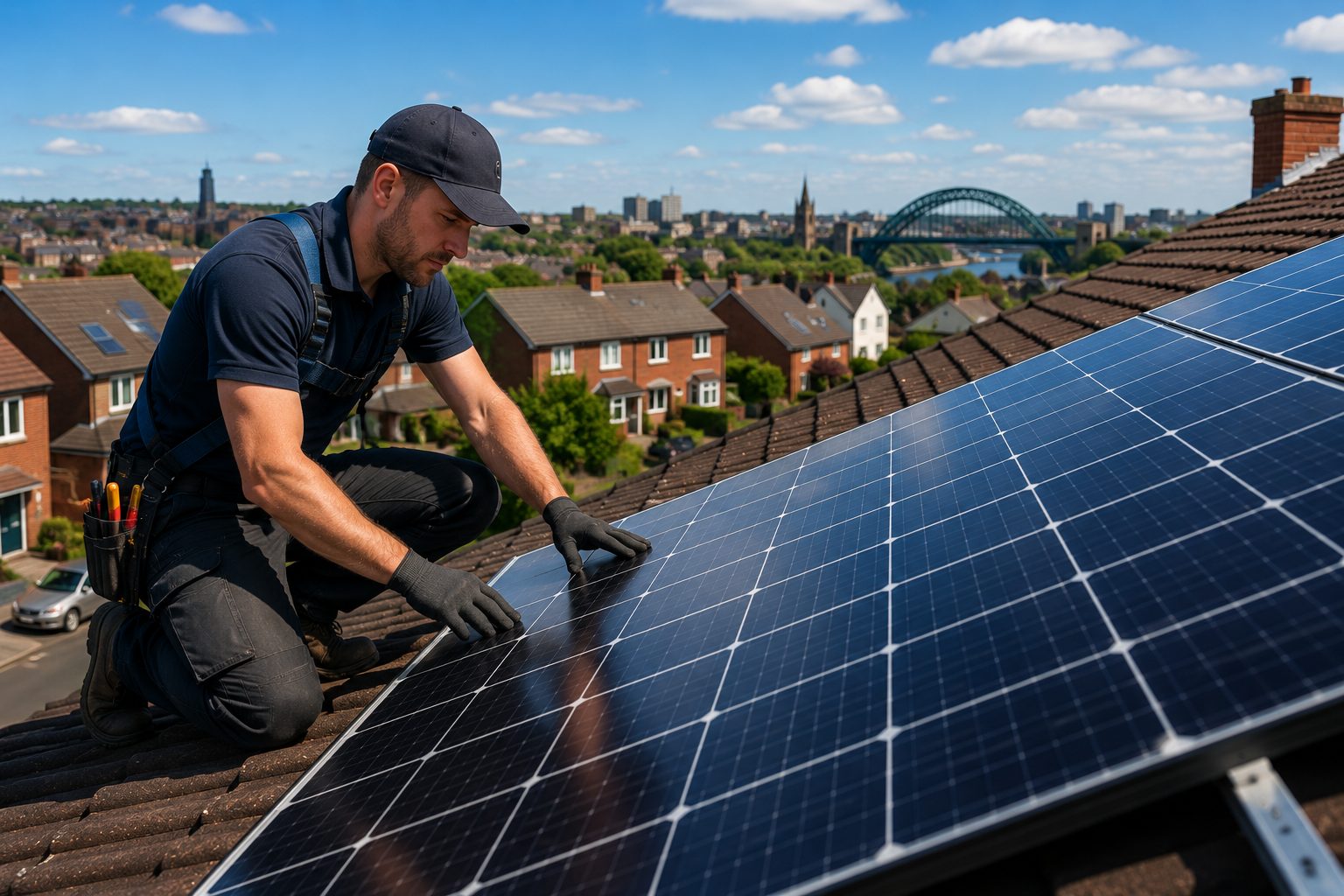
Find the cause before replacing parts
Arrange a systematic check of your solar system. Get a Free Estimate
Solar systems combine rooftop equipment, DC wiring, isolators, an inverter, AC electrical components and sometimes batteries or monitoring devices. A fault in one place can produce symptoms somewhere else, which is why guessing can lead to unnecessary parts being replaced. Our fault-finding service is designed to work through the system logically and identify where the problem is most likely to be.
The independent solar panel technicians we work with help Newcastle customers investigate complete loss of generation, unexpectedly low output, intermittent shutdowns, unexplained warnings and systems that simply do not seem to perform as they once did. The goal is to leave you with a clear understanding of the likely cause and a practical next step.

The exact checks depend on the symptoms and system design. The technician uses observations, electrical testing and available monitoring information to narrow down the problem.
The technician considers whether reported output is genuinely abnormal for the time of year, weather conditions and array size before assuming there is a hardware failure.
A problem affecting one section of the array can reduce overall output while the system continues to run. Testing can help reveal an imbalance or loss of contribution.
Connectors, isolators and cabling can deteriorate or become damaged. Fault finding helps identify whether the DC side is interrupting or restricting normal operation.
An inverter may report a fault because it has detected something elsewhere. The technician distinguishes reported symptoms from the underlying cause wherever possible.
Faults that appear only occasionally can take more interpretation. Error histories, timing patterns and environmental conditions can all provide useful clues.
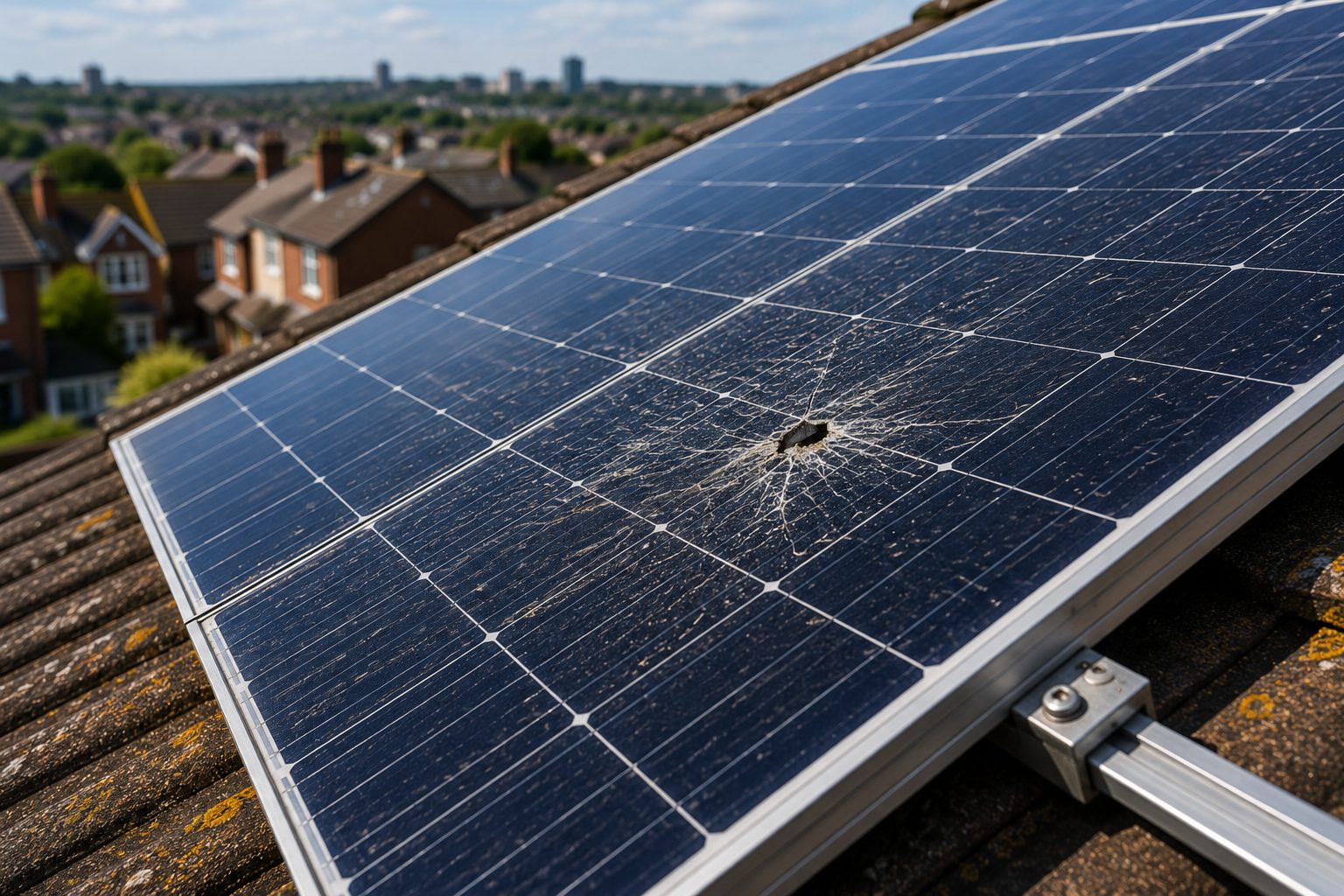
The technicians we work with start from symptoms and evidence rather than replacing the most obvious component first.
Panels, inverter, wiring, isolators, electrical supply and batteries can all affect performance, so the technician considers the installation as one system.
The aim is not simply to confirm that something is wrong but to identify a sensible route toward resolving it.
They regularly investigate installations fitted by other companies and systems where the original installer is no longer available.
If your solar output has changed and you do not know why, start with diagnosis rather than guesswork.
Free — no obligations
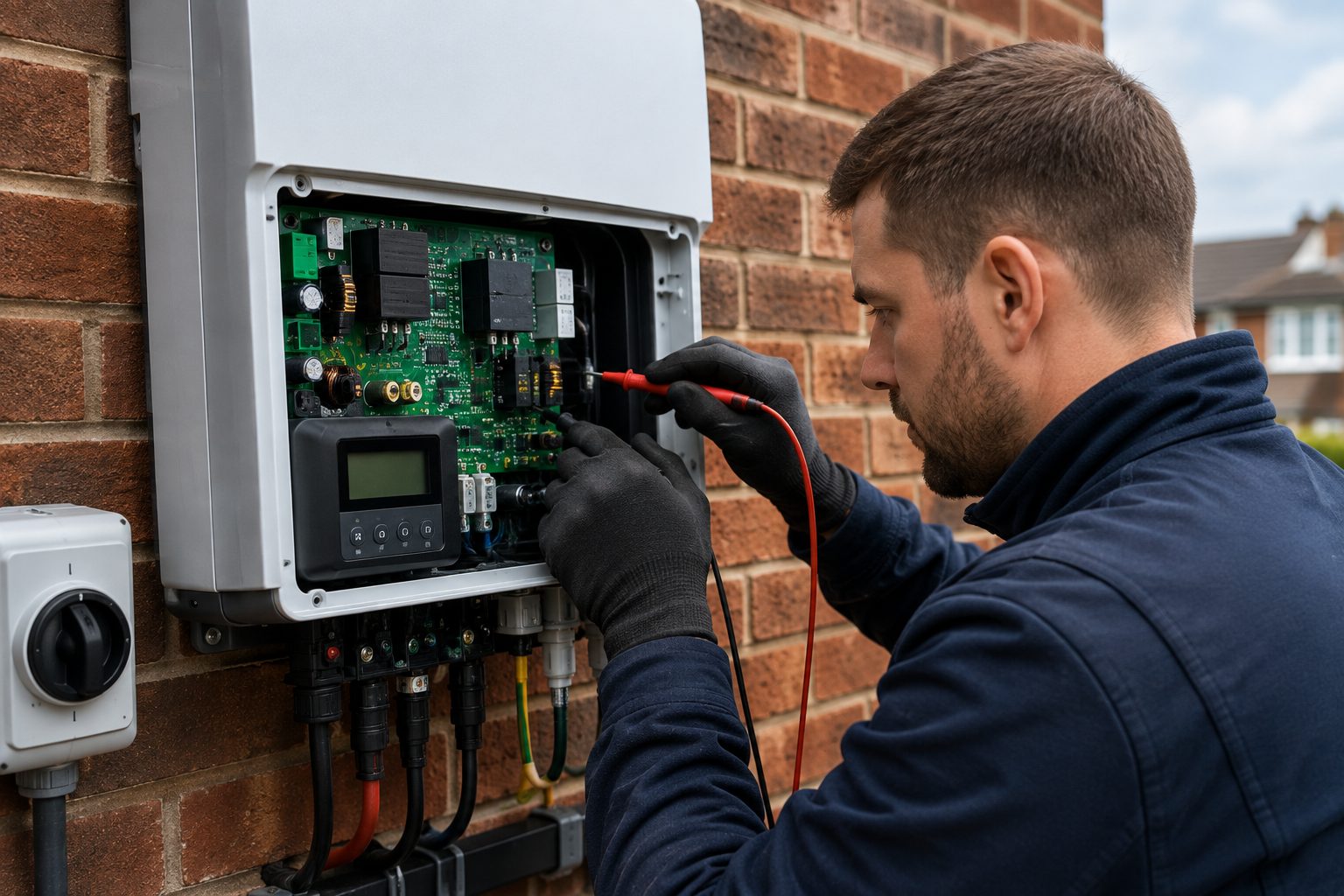
The technician asks how the system normally performs, what changed and whether any errors, building work or electrical issues occurred around the same time.
Monitoring information, inverter messages and previous generation records can help identify patterns before testing starts.
Accessible equipment and connections are examined for signs of failure, deterioration or damage.
Electrical and operating checks are used as appropriate to narrow down the source of the issue.
The technician explains the findings and advises whether repair, replacement, further specialist testing or ongoing monitoring is appropriate.