Inverter faults diagnosed properly
Solar Inverter Repair Newcastle
Send us the inverter make, model and error message if available. Get a Free Estimate
Independent TechniciansNo ObligationNo Pressure
Inverter faults diagnosed properly
Send us the inverter make, model and error message if available. Get a Free Estimate
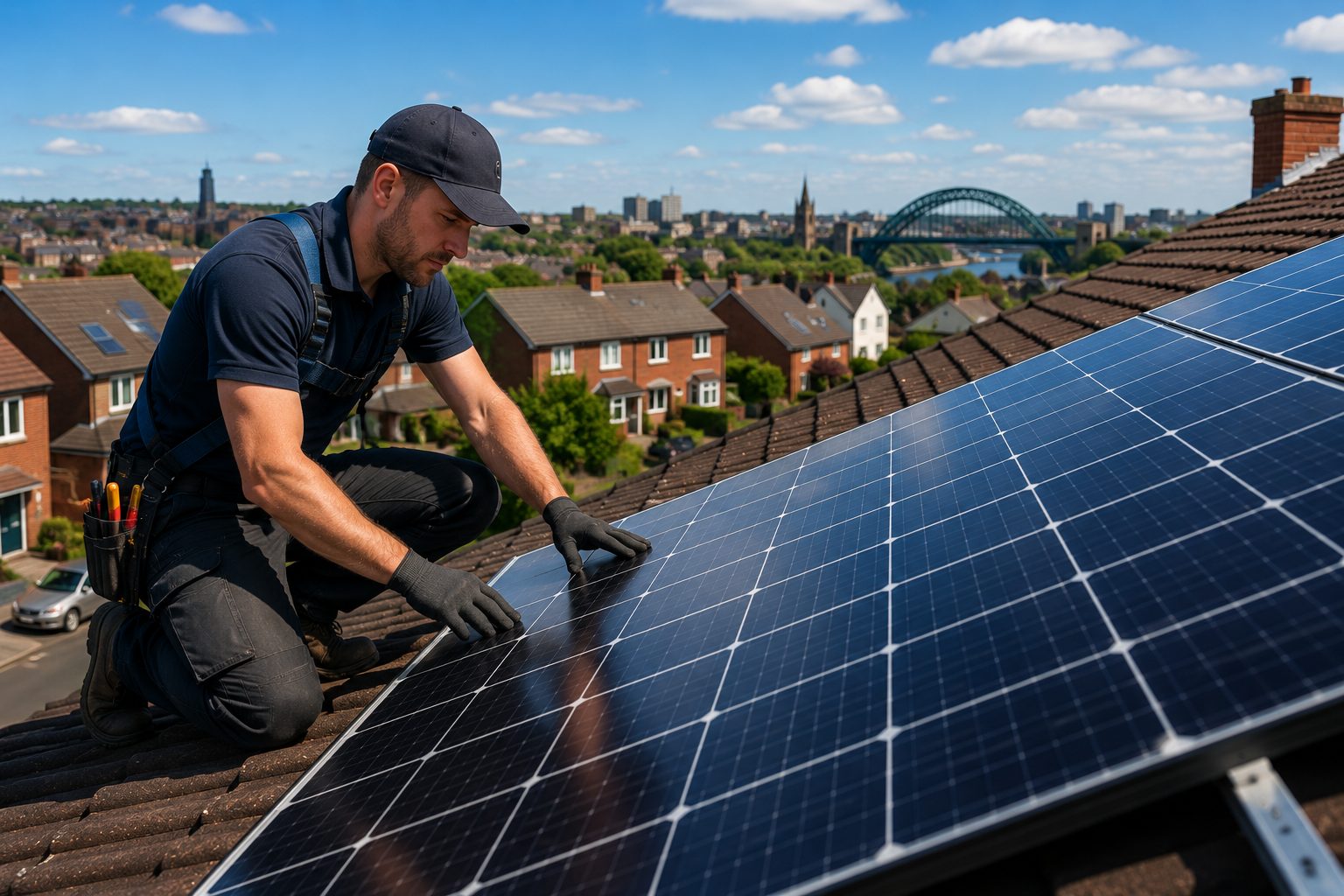
The inverter is one of the hardest-working parts of a solar installation. It converts the electricity produced by the panels into power your property can use, and it also monitors key operating conditions. When an inverter develops a fault, the whole solar system can appear to stop working even though the panels themselves are still capable of generating.
Common signs include warning lights, repeating error codes, a blank display, unusual clicking, repeated restarts or generation figures that stay at zero in daylight. The independent solar panel technicians we work with diagnose inverter-related problems across Newcastle and check whether the inverter itself has failed or whether another system issue is causing it to shut down.
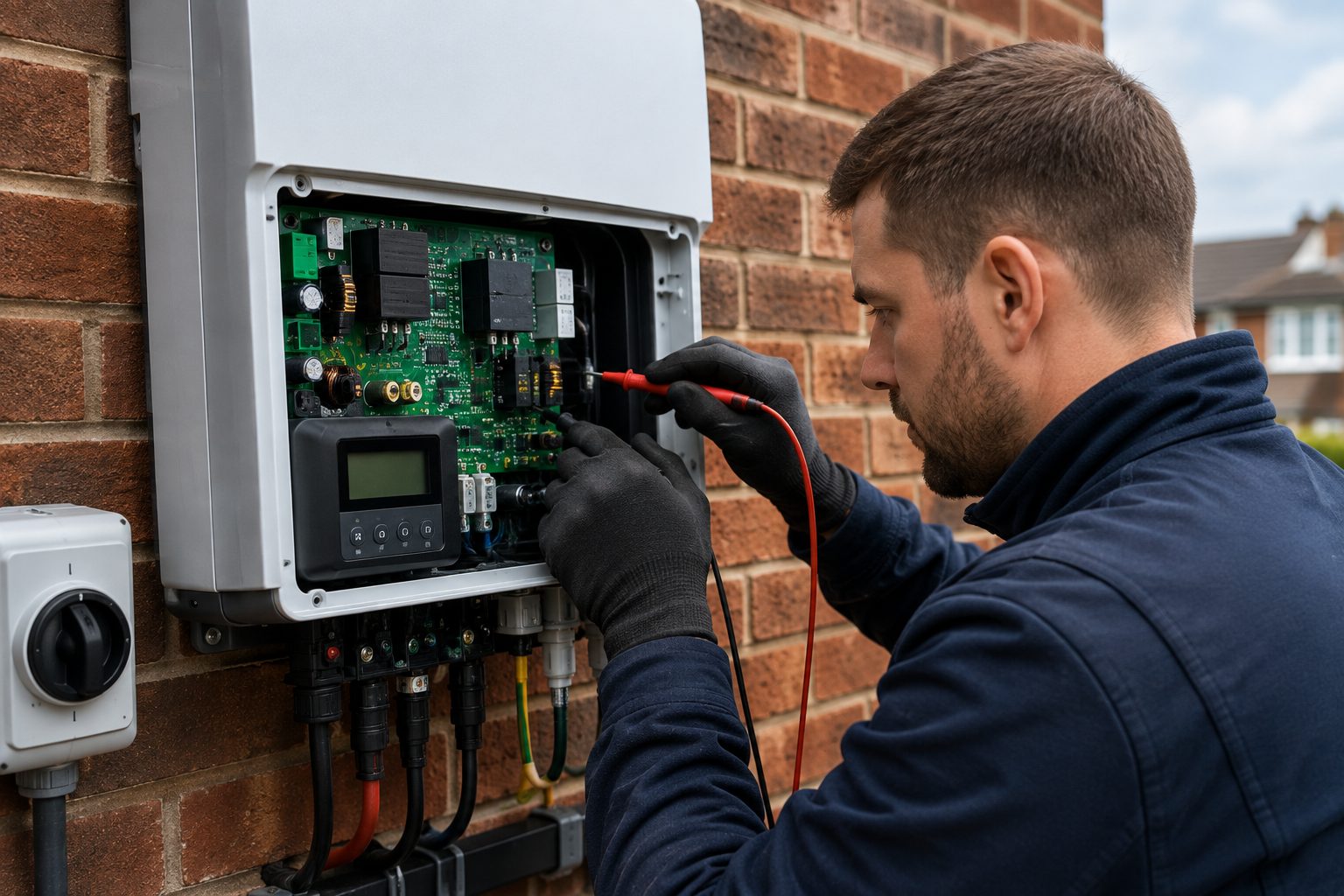
Not every inverter warning means the inverter needs replacing. Some errors are triggered by conditions elsewhere in the solar installation or by the property's electrical supply.
Error codes provide useful clues but need to be interpreted in the context of the complete system. The technician uses the code, system behaviour and testing results to narrow down the cause.
A blank inverter can result from an internal failure, loss of DC input, AC supply problems or switching and protection issues. The surrounding system should be checked before assuming the inverter is dead.
An inverter that starts and stops repeatedly may be responding to a grid condition, insulation fault, overheating issue, unstable input or internal component problem.
If the inverter operates but output is lower than expected, the cause may sit upstream in the array or within the inverter itself. Comparing inputs and operating data helps identify the weak point.
When repair is not practical, the technician assesses what replacement specification is suitable for the existing array and electrical setup rather than simply choosing a unit based on headline capacity.
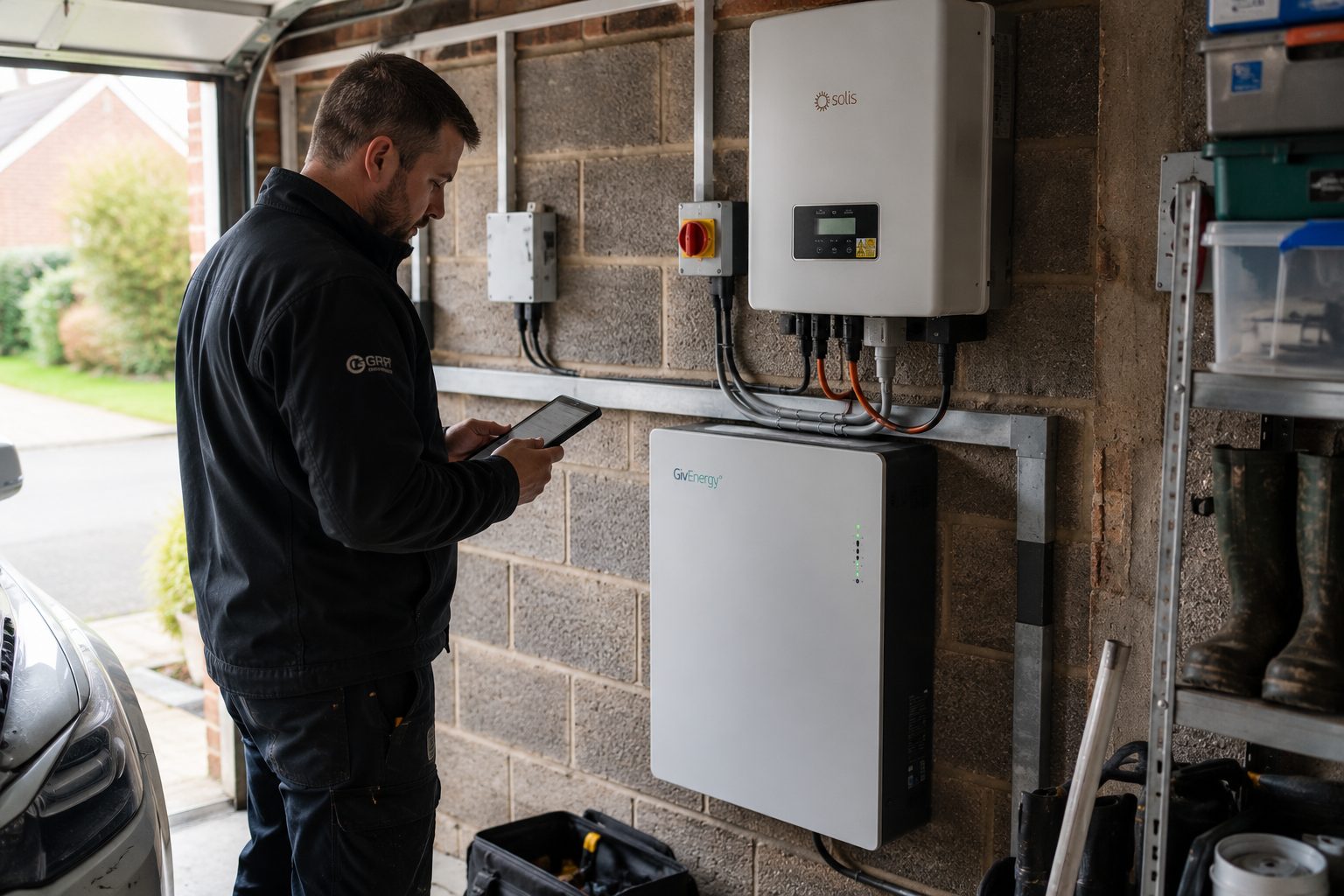
A shutdown can be caused by another part of the solar system, so the technician avoids assuming the inverter itself is automatically at fault.
Make, model, error codes and monitoring data can all help us understand the likely issue before work begins.
The technician assesses whether an older inverter is worth repairing and whether compatible replacement options are available.
If replacement is required, the technician explains why and considers the existing array rather than treating the inverter as an isolated appliance.
Have an inverter error or a system stuck at zero generation? Tell us what the display is showing.
Free — no obligations

Note any error code, warning light, display message or unusual behaviour and tell us when it occurs.
The technician considers the inverter age, array size, previous performance and any recent electrical or roofing work.
The inverter and relevant solar circuits are checked to distinguish an internal inverter fault from an external system problem.
The technician explains whether a reset, wiring repair, component-level solution or full inverter replacement appears appropriate.
The repair or replacement is completed once the approach, cost and any required equipment have been agreed.